Common Stinging Insects That Invade Homes
To keep your home safe from common stinging insects that invade, local contractors can provide effective control and removal services tailored to your needs.
Homeowners in the area often encounter common stinging insects that invade homes, especially during warmer months. These insects can build nests in hidden spots around the property, such as eaves, wall voids, or beneath decks, making them a concern for those seeking to maintain a safe and comfortable living environment. Understanding which insects are likely to invade and how they behave can help property owners take practical steps to address potential issues before they become overwhelming. Local service providers specializing in stinging insect control have the experience and tools to identify and eliminate these pests, providing peace of mind for homeowners.
Exploring this topic is a practical move for property owners who want to prevent the risks associated with stinging insects, including painful stings and potential allergic reactions. By learning about the common types that tend to invade homes, residents can better recognize signs of a nest or infestation and know when to seek professional help. Local contractors offering stinging insects control services are equipped to handle these situations safely and effectively, ensuring that infestations are managed properly. Keep reading to discover more about these insects and how local experts can assist in keeping your home pest-free.
- Common stinging insects that invade homes - local contractors can identify and remove nests to prevent infestations.
- In cases of aggressive stinging insects near entry points - service providers can safely eliminate the insects and secure vulnerable areas.
- When stinging insects are found inside the home - experienced pros can perform targeted treatments to remove the pests effectively.
- For recurring problems with common stinging insects that invade homes - local experts can implement ongoing control solutions.
- If a homeowner notices increased activity of stinging insects around the house - local service providers can assess and address the issue promptly.
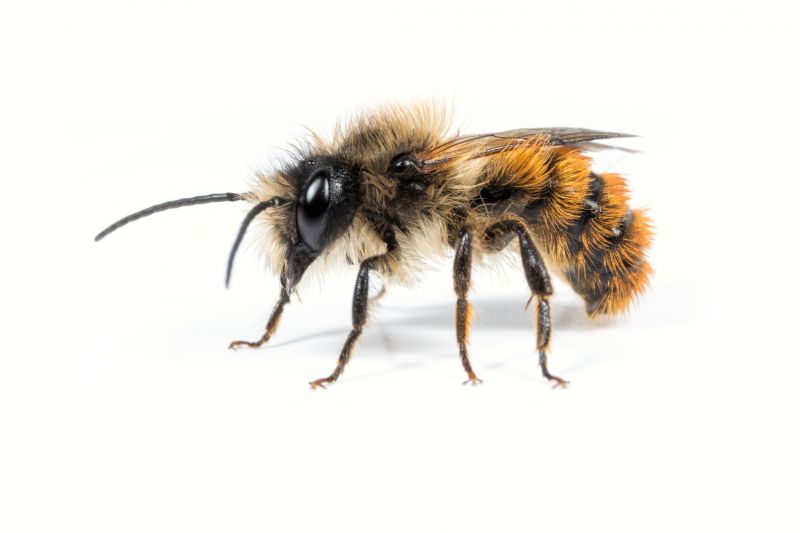
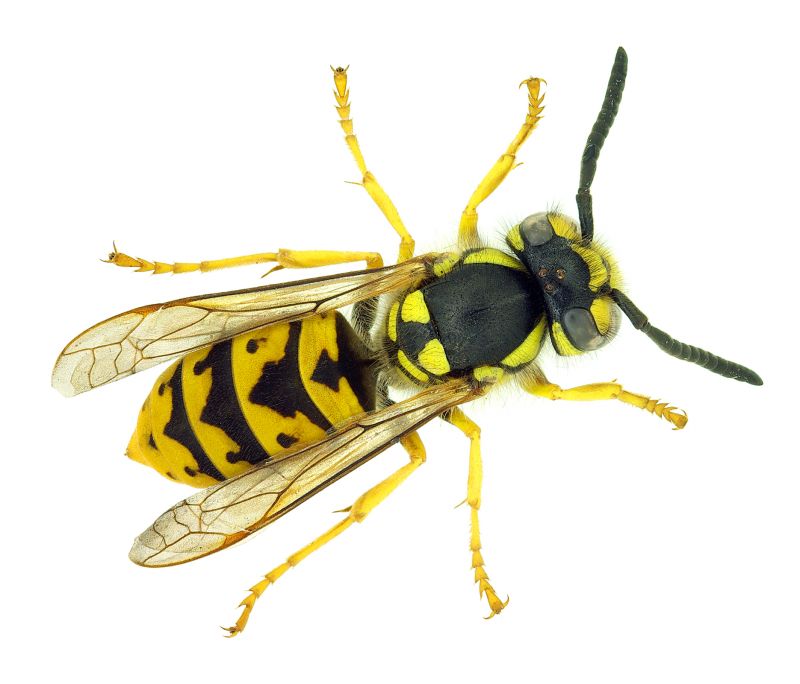

When searching for information about common stinging insects that invade homes, most homeowners are typically concerned about identifying which insects are causing problems and understanding how to manage or eliminate them. These searches often stem from noticing increased insect activity around the house, such as buzzing sounds, visible nests, or stings after accidental contact. Homeowners want to know which insects are most likely to build nests near or inside their properties and how these pests might pose risks to family members or pets. Recognizing the types of stinging insects that commonly invade residential spaces helps homeowners plan effective control strategies and decide when to seek professional assistance.
The problems linked to common stinging insects that invade homes usually involve nuisance, potential stings, and the risk of nests forming in or around living spaces. These insects can be aggressive if disturbed and may sting multiple times, causing pain, swelling, or allergic reactions. Homeowners often consider plans to remove nests, prevent future invasions, or eliminate the insects entirely to ensure safety and comfort. Managing these pests can be complex, especially when nests are located in hard-to-reach places or inside walls. Local contractors specializing in stinging insect control are equipped to handle these situations safely and effectively, providing solutions tailored to specific property needs.
Properties most affected by common stinging insects that invade homes tend to include residential houses, especially those with yards, gardens, or nearby wooded areas. Homes with gaps in siding, open attics, or poorly sealed entry points are more vulnerable to invasions. Additionally, structures like sheds, garages, and outdoor storage areas often attract these insects, offering ideal nesting sites. Properties with abundant flowering plants or fruit trees may also draw in certain stinging insects that seek nectar or food sources. Understanding the types of properties at risk helps homeowners recognize the importance of preventative measures and highlights the role of local service providers in addressing infestations.
For homeowners dealing with these invasive pests, connecting with local pros who specialize in stinging insect control is a practical step. These service providers have experience in identifying different species, locating nests, and applying targeted removal techniques. Proper management not only reduces the immediate nuisance but also helps prevent future invasions by sealing entry points and advising on landscape modifications. Recognizing the common types of stinging insects that invade homes and knowing when to seek professional help ensures that property owners can effectively address these issues. This proactive approach contributes to a safer, more comfortable living environment.
Pest Inspection Services - Professionals who conduct thorough inspections for various pests can identify signs of stinging insect activity around homes and recommend effective control measures.
Wildlife Removal Projects - These projects involve safely removing nests or colonies of stinging insects, which often share similar entry points and nesting sites in residential areas.
Bird and Wasp Nest Removal - Removing nests of wasps and other stinging insects requires planning and tools similar to those used for controlling invading insects around homes.
Exclusion and Sealant Services - Sealing entry points and gaps helps prevent common stinging insects that invade homes from establishing nests indoors or near structures.
Yard and Landscape Pest Control - Managing pests in outdoor spaces includes addressing insects that may eventually invade homes or create nesting sites nearby.
Insect Trap and Bait Installation - Using traps and bait stations is a common method to monitor and reduce stinging insect populations around residential properties.
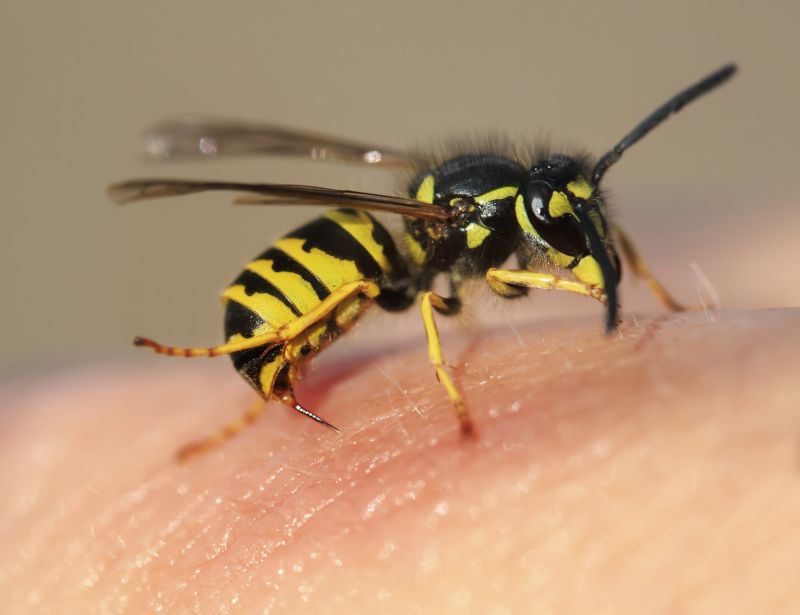
When evaluating service providers for stinging insects control, it is important to consider their experience with similar projects involving common stinging insects that invade homes. A contractor with a history of handling these specific pests is more likely to understand the unique behaviors and nesting habits of species such as wasps, hornets, or yellowjackets. This familiarity can contribute to more effective treatment strategies and reduce the risk of recurring invasions. Homeowners should inquire about the types of stinging insects the contractor has managed in the past and seek evidence of their familiarity with local pests, ensuring they are well-equipped to address the specific challenges of controlling these insects around homes.
Clarity in written expectations is another key factor when comparing local contractors for stinging insects control services. Detailed, transparent communication about the scope of work, methods of treatment, and potential follow-up procedures helps ensure that homeowners understand what will be done and what results to anticipate. Service providers who can clearly outline their approach and provide written documentation can help set realistic expectations and prevent misunderstandings. This level of clarity demonstrates professionalism and a commitment to transparency, making it easier to evaluate whether a contractor’s approach aligns with the homeowner’s needs.
Reputable references and effective communication are essential qualities to look for in local contractors offering stinging insects control. Hearing from previous clients about their experiences can provide insights into the contractor’s reliability, professionalism, and quality of work. Additionally, good communication-whether through prompt responses, clear explanations, or willingness to answer questions-can make the process smoother and more comfortable. When comparing service providers, it is helpful to seek out those who are known for their responsiveness and transparency, as these traits often correlate with a positive working relationship and a successful pest management experience.
Property owners often search for common stinging insects that invade homes when they are planning practical projects around their homes and businesses. Local pros provide Stinging Insects Control services for everyday jobs and straightforward project options.
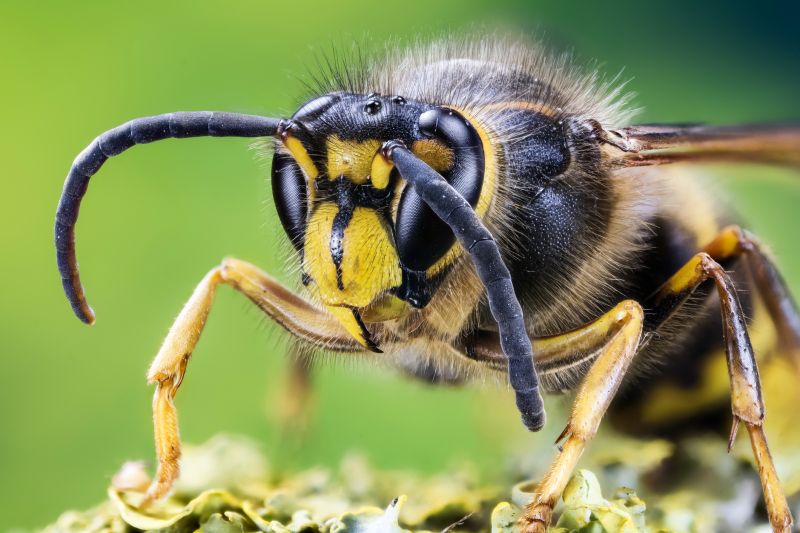
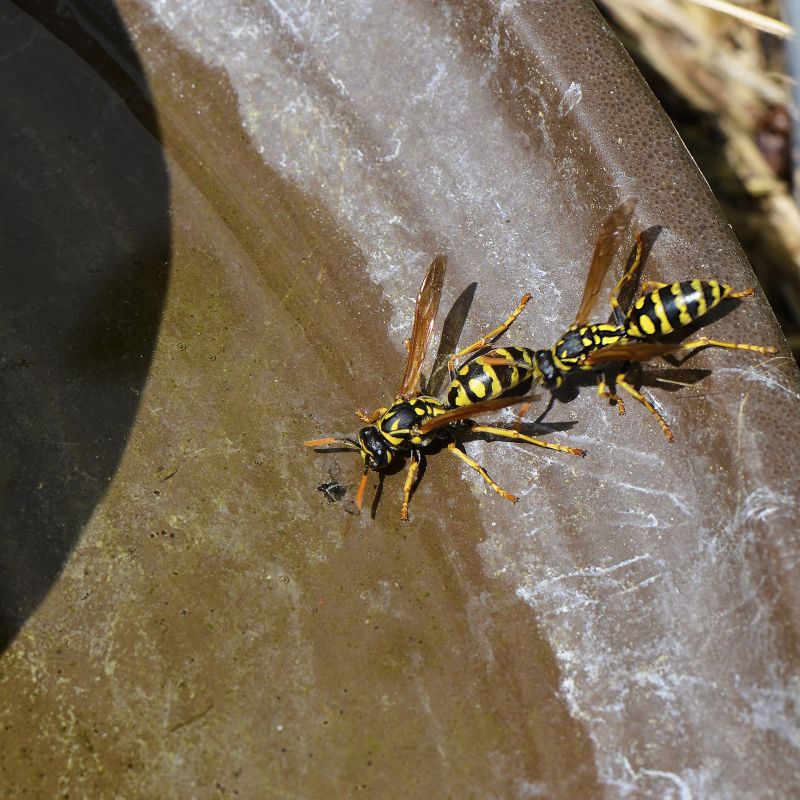
Homeowners in the area often encounter common stinging insects that invade homes, especially during warmer months when these insects seek shelter and food sources. These insects, such as wasps, hornets, and yellow jackets, can build nests in eaves, wall cavities, and other hidden spots around a property, making it important for property owners to identify and address infestations early. When these insects become a nuisance or pose a risk of stings, many turn to local contractors who specialize in stinging insects control to safely remove nests and reduce the likelihood of future invasions.
Understanding which stinging insects are common in the area can help property owners take proactive steps to prevent problems. Local service providers offer targeted solutions to eliminate existing nests and implement measures to discourage new ones from forming. Whether dealing with a sudden swarm or ongoing issues, connecting with experienced professionals can ensure that the problem is handled efficiently and safely, providing peace of mind for homeowners concerned about these invasive insects.
What are some common stinging insects that invade homes? Common stinging insects that invade homes include wasps, yellow jackets, paper wasps, hornets, and mud daubers. These insects often seek shelter inside walls, attics, or eaves, especially during late summer and fall.
Why do these insects invade homes? These insects invade homes in search of food, shelter, or nesting sites. They are attracted to sugary foods, protein sources, and sheltered areas where they can establish nests undisturbed.
How can local contractors help control these stinging insects? Local contractors can identify the species invading the home, locate nests, and implement effective removal or exclusion methods to prevent future invasions. They use safe and targeted approaches to reduce insect activity around the property.
Are there signs that indicate a stinging insect nest inside or near a home? Signs include increased insect activity around eaves, walls, or windows, buzzing sounds, and visible nests or mud structures on exterior walls or in soffits. Spotting these signs can help prompt professional intervention.
What should homeowners do if they suspect a stinging insect infestation? Homeowners should avoid disturbing the insects or nests and contact local pest control or stinging insect control service providers for safe removal and ongoing prevention assistance.
Identify nesting sites - property owners can inspect their homes for signs of nests near eaves, attics, or wall voids and seek help from local contractors to safely remove them.
Seal entry points - blocking gaps around windows, doors, and utility openings can prevent common stinging insects that invade homes from entering, with local pros providing effective sealing services.
Remove attractants - managing trash, fallen fruit, and sugary drinks around the property reduces attractants for stinging insects, encouraging local service providers to assist with pest-proofing efforts.
Schedule regular inspections - periodic checks by local contractors can detect early signs of nests or infestations, helping prevent larger invasions of stinging insects that invade homes.
If you are thinking about common stinging insects that invade homes for a property, this guide is meant to help you understand this topic, the typical project types, and how different options might fit your plans.
When you are ready, you can use the quote form on this page to share a few details about your project. From there, local pros can review the basics and follow up with options that match what you have in mind.