Signs You Have a Wasp, Hornet, or Yellow Jacket Problem
If you notice signs you have a wasp, hornet, or yellow jacket problem, local service providers can safely handle removal and treatment to protect your home.
Discovering signs of a wasp, hornet, or yellow jacket problem is an important step toward protecting your property and loved ones. These insects can be more than just a nuisance; their presence often indicates a nearby nest that may pose safety concerns, especially during outdoor activities or gatherings. Recognizing early warning signs, such as increased insect activity around eaves, decks, or outdoor furniture, can help property owners take timely action. Local contractors who specialize in pest management can assess the situation and provide effective treatment options to eliminate the threat and prevent future issues.
Understanding the common indicators of a wasp, hornet, or yellow jacket problem encourages proactive measures to keep your environment safe. Swarm sightings, nests on or near the building, or sudden increases in stinging insect activity are all signs that professional assistance may be needed. Connecting with experienced service providers ensures that these pests are handled safely and efficiently, reducing the risk of stings or property damage. Keep reading to learn more about how local experts can help identify and resolve these issues before they escalate.
- Wasp, Hornet, or Yellow Jacket Treatment - is needed when visible nests are found near the home, and local contractors can safely remove or treat the nests.
- Wasp, Hornet, or Yellow Jacket Treatment - is recommended if you notice increased activity or aggressive behavior from insects around your property, with local pros providing effective control solutions.
- Wasp, Hornet, or Yellow Jacket Treatment - becomes necessary when stings or allergic reactions occur, prompting experts to evaluate and eliminate the insect threat promptly.
- Wasp, Hornet, or Yellow Jacket Treatment - is advised if there are signs of nests inside wall voids or hidden areas, with service providers using specialized techniques to access and remove them safely.
- Wasp, Hornet, or Yellow Jacket Treatment - is essential when recurring problems happen despite DIY efforts, as local contractors can implement long-term removal and prevention strategies.
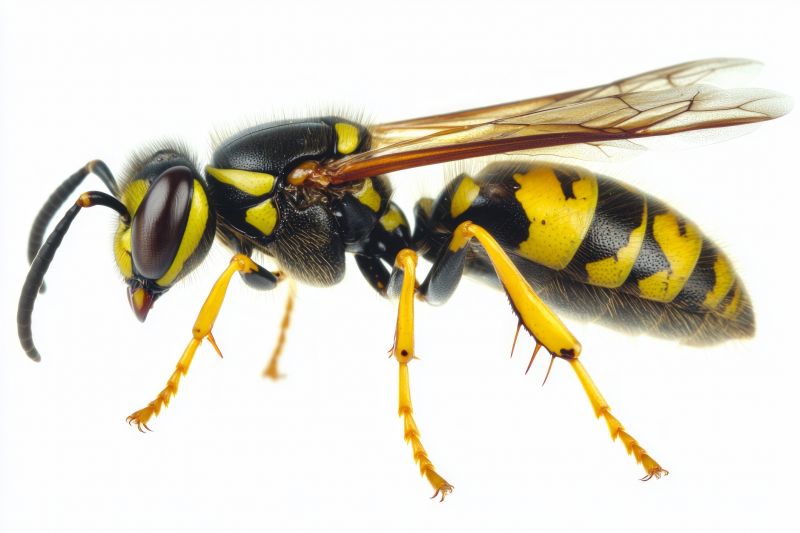
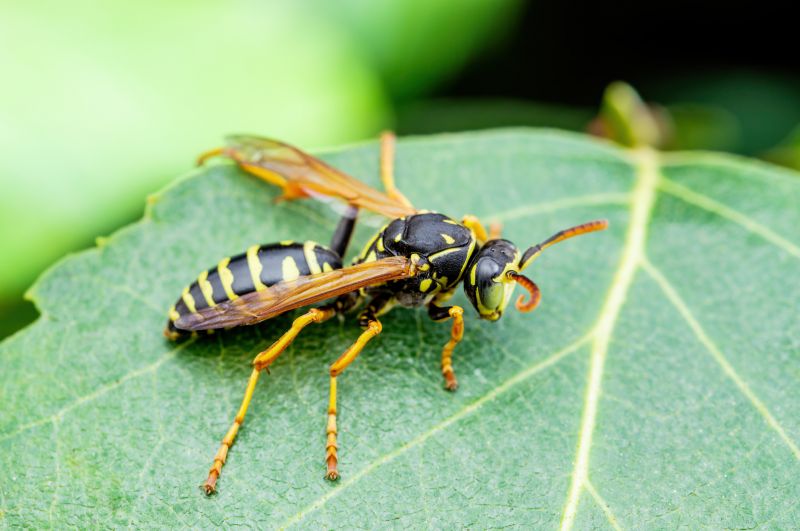
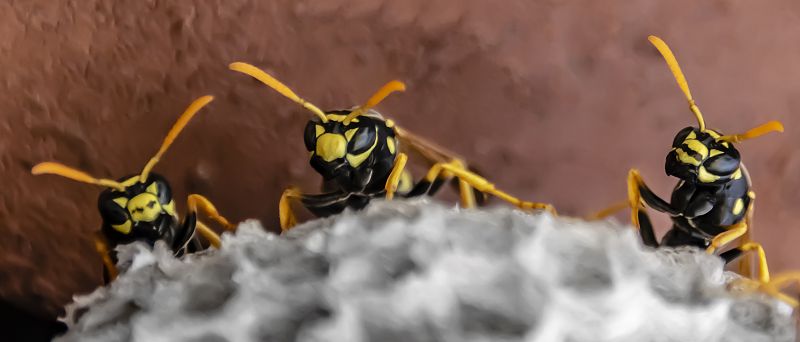
Understanding the signs you have a wasp, hornet, or yellow jacket problem is an important first step for homeowners noticing unusual activity around their property. These insects often build nests in hidden or out-of-the-way spots, making it necessary to recognize early warning signs. Common indicators include seeing swarms of insects near eaves, under decks, or in shrubs, especially during late spring and summer months. Additionally, persistent buzzing sounds near walls or rooflines can point to active nests. Recognizing these signs allows homeowners to address the issue before the insects become a larger threat, and local service providers can offer targeted solutions to eliminate nests safely and effectively.
The problems associated with wasp, hornet, and yellow jacket activity typically relate to safety concerns and property damage. These insects can sting aggressively if they feel threatened, posing risks to children, pets, and anyone allergic to their stings. Their nests are often constructed from paper-like material, which can cause structural damage if built in or on building components over time. For property owners planning outdoor activities or hosting gatherings, a wasp, hornet, or yellow jacket presence can turn outdoor spaces into hazards. Local contractors specializing in pest control can help with inspections, nest removal, and ongoing prevention strategies to keep these insects from returning and causing trouble.
Properties most commonly affected by these insects include residential homes, especially those with shaded eaves, sheds, garages, and decks. Gardens and yards with dense shrubbery, trees, or compost areas also tend to attract nests. Commercial properties such as restaurants or outdoor event spaces may experience similar issues, particularly during peak insect activity seasons. Structures with cracks, gaps, or other entry points provide easy access for wasps, hornets, and yellow jackets to establish nests. Recognizing these property types and their vulnerabilities can help homeowners and business owners understand when to seek professional assistance to address a potential problem.
For those who suspect a wasp, hornet, or yellow jacket issue, connecting with local service providers is a practical step toward resolving the problem. These professionals can perform thorough inspections to confirm the presence of nests and determine the best removal methods. They are equipped to handle nests safely, especially in hard-to-reach areas or around sensitive property features. Engaging with experienced local contractors ensures that the removal process is effective and minimizes the risk of stings or property damage. Addressing signs early with the help of local pros can prevent larger infestations and protect outdoor spaces for enjoyable, pest-free use.
Pest inspection services - professionals who identify signs of wasp, hornet, or yellow jacket presence and recommend appropriate removal strategies.
Wildlife removal projects - tasks that involve safely removing stinging insects and their nests, requiring similar planning and safety measures.
Home sealing and repair services - providers who help seal entry points to prevent insects from establishing nests around the property.
Yard and landscape maintenance - services that manage outdoor environments to reduce attractants for stinging insects and discourage nesting.
Extermination services - specialists skilled in eliminating active nests and controlling insect populations using targeted treatments.
Structural damage repair - projects that address damage caused by nests or insect activity, requiring similar assessment and repair planning.
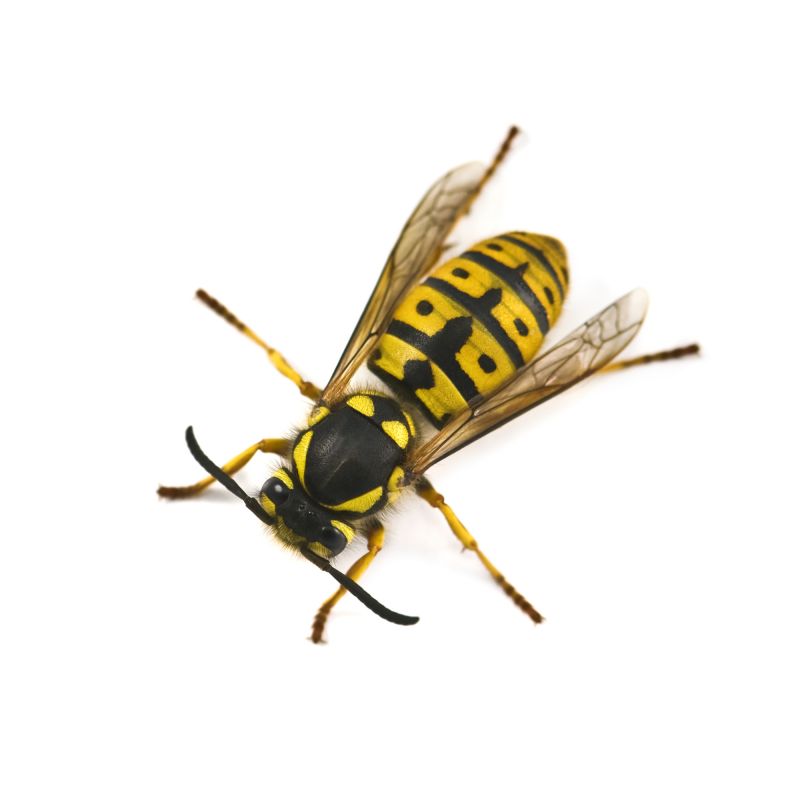
When evaluating service providers for wasp, hornet, or yellow jacket treatment, it’s important to consider their experience handling similar projects. Homeowners should inquire about how many times the contractor has managed pest issues involving these insects, especially in residential settings similar to their own. An experienced local contractor will likely have a better understanding of common nesting sites and effective removal methods, which can contribute to a safer and more thorough treatment process. Additionally, asking for reputable references or reviews can offer insights into the contractor’s track record with past clients, helping to establish confidence in their ability to address the problem effectively.
Clear written expectations are essential when selecting a pest control service. Homeowners should seek detailed information about what the treatment process involves, including the scope of work, safety precautions, and any follow-up steps that might be necessary. This transparency helps ensure that both parties are aligned on what will be done and reduces the chance of misunderstandings. Service providers who can provide comprehensive explanations and written estimates are often better communicators, making it easier for homeowners to make informed decisions about which local contractor to hire.
Effective communication is a key factor in choosing a pest control provider for wasp, hornet, or yellow jacket issues. A reputable local contractor should be responsive to questions and willing to explain their approach in straightforward terms. Good communication also involves keeping homeowners informed about progress and any potential concerns that may arise during treatment. When considering different service providers, it’s beneficial to observe how promptly and clearly they respond to inquiries, as this can indicate their professionalism and commitment to customer service. Clear, open dialogue helps ensure that homeowners feel confident and well-informed throughout the process.
Property owners often search for signs you have a wasp, hornet, or yellow jacket problem when they are planning practical projects around their homes and businesses. Local pros provide Wasp, Hornet, or Yellow Jacket Treatment services for everyday jobs and straightforward project options.
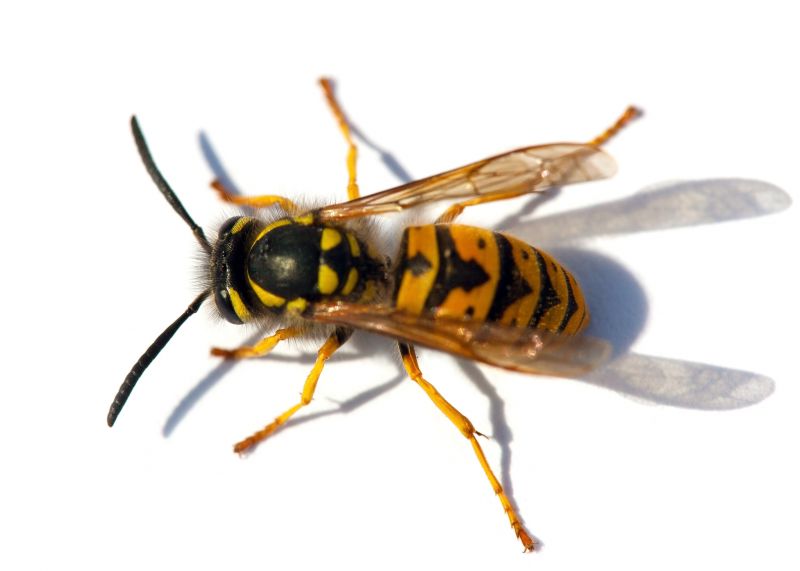
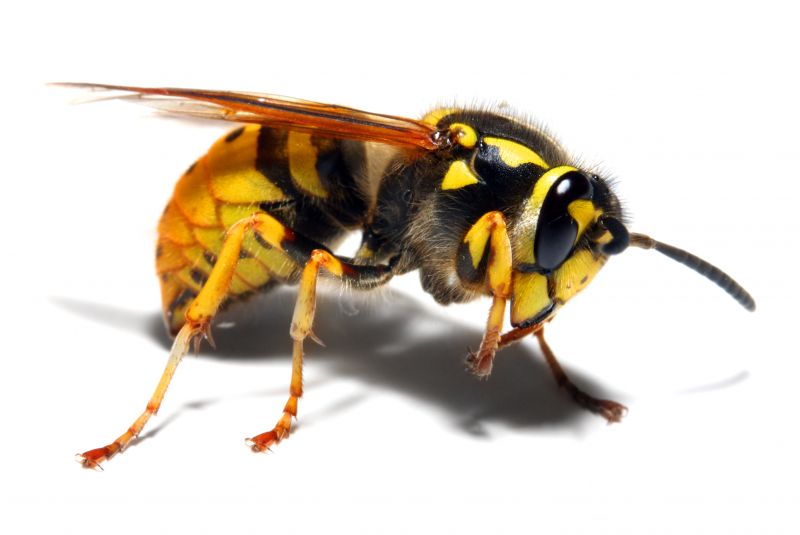
Property owners in the local area often notice warning signs that indicate a wasp, hornet, or yellow jacket problem. Common indicators include seeing aggressive insects around outdoor eating areas, noticing nests tucked under eaves, decks, or in shrubs, or experiencing increased activity near trash cans or sugary drinks. These insects tend to become more active during warmer months, and their presence can pose safety concerns, especially if someone in the household is allergic or if the nest is located close to frequently used outdoor spaces.
Recognizing these signs early can help property owners decide when to seek assistance from local contractors who specialize in wasp, hornet, or yellow jacket treatment services. These professionals can evaluate the situation, safely remove nests, and implement measures to prevent future infestations. Engaging with experienced service providers can help ensure outdoor spaces remain safe and comfortable during the warmer seasons.
What are common signs of a wasp, hornet, or yellow jacket problem? Visible nests near your home, especially in eaves, trees, or ground burrows, are clear indicators of an infestation. You might also notice increased activity of flying insects around your property or persistent buzzing sounds. Swarms or aggressive behavior when near certain areas can also signal a nest nearby. Local service providers can assess and handle these issues safely. Recognizing these signs early helps in effective treatment and removal.
How can I tell if I have an active wasp, hornet, or yellow jacket nest? An active nest often has frequent movement of insects entering and exiting. If you see many wasps or hornets around a specific spot, especially during the day, it indicates activity. Nests may appear new or growing in size over time. If you're unsure, a professional can identify signs of activity without disturbing the nest. Prompt identification allows for appropriate treatment options.
Are there specific times when signs of a problem are more noticeable? Yes, increased insect activity is typically observed during warmer months and daylight hours. You may notice more wasps or hornets around late morning or early evening when they are most active. Nest construction or expansion can also become visible during these times. Local contractors can evaluate these signs and recommend treatment to prevent further issues.
What should I do if I suspect a wasp, hornet, or yellow jacket problem? It’s best to avoid disturbing the insects or nests to prevent stings or aggressive behavior. Contacting experienced local service providers is recommended for safe removal and treatment. They can confirm the presence of a nest and implement effective control measures. Early intervention can help prevent the problem from worsening or spreading.
Can signs of a problem occur indoors? While most signs are outdoors, some insects can enter your home or build nests inside wall cavities or attics, leading to sightings of insects or buzzing sounds indoors. Unusual insect activity or nests found in hidden areas should be evaluated by professionals. Proper treatment ensures the safety and comfort of your living space by addressing indoor signs of wasp, hornet, or yellow jacket issues.
Identifying nest locations - spotting large, papery or mud-like nests on eaves, trees, or sheds can help property owners determine if wasps, hornets, or yellow jackets are present and in need of professional removal.
Monitoring activity levels - noticing an increase in insect activity around certain areas may indicate a nearby nest, prompting property owners to seek treatment services from local contractors.
Recognizing aggressive behavior - frequent or sudden attacks when approaching outdoor spaces can signal a wasp, hornet, or yellow jacket problem that requires professional intervention for safe removal.
Checking for stings or allergic reactions - experiencing multiple stings or allergic responses can be a sign of a nearby nest, encouraging property owners to consult local service providers for treatment options.
If you are thinking about signs you have a wasp, hornet, or yellow jacket problem for a property, this guide is meant to help you understand this topic, the typical project types, and how different options might fit your plans.
When you are ready, you can use the quote form on this page to share a few details about your project. From there, local pros can review the basics and follow up with options that match what you have in mind.