Get Carpenter Bee Removal Service
Local contractors specializing in carpenter bee removal address infestations, protect structures, and handle projects involving bee nest removal from wood surfaces and buildings.
Carpenter bee activity can cause significant damage to wooden structures, making removal an important consideration for property owners looking to maintain the integrity of their buildings. Whether dealing with bees nesting in decks, siding, or other wooden features, finding experienced service providers in the area can help address these concerns effectively. Exploring local contractor options allows property owners to compare approaches and select solutions tailored to their specific needs, ensuring the preservation of their property's value and appearance.
For those planning property maintenance or improvement projects, understanding the available services for carpenter bee removal can be a valuable step in the process. Connecting with trusted local service providers enables property owners to gather information and evaluate options without the pressure of immediate commitments. Continuing to explore these services can help make informed decisions about protecting and maintaining wooden structures over time.
- Carpenter Bee Removal - homeowners may need this service when bees are nesting in wooden structures.
- Bee Damage Repair - property owners might require repairs after carpenter bees have caused wood damage.
- Bee Prevention Solutions - those seeking to protect their property from future bee infestations can connect with local contractors.
- Extermination and Removal - individuals dealing with large or persistent bee colonies may need professional removal services.
- Structural Inspection for Bee Activity - property managers may require inspections to identify and address hidden bee nests.
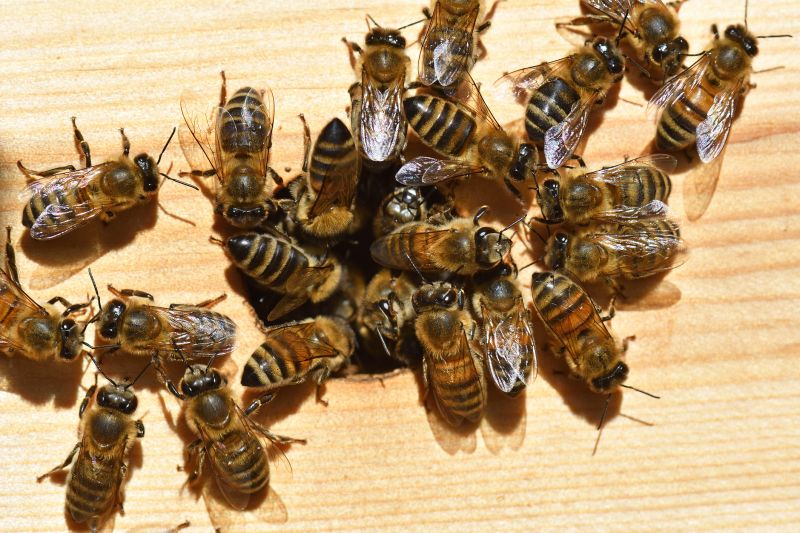
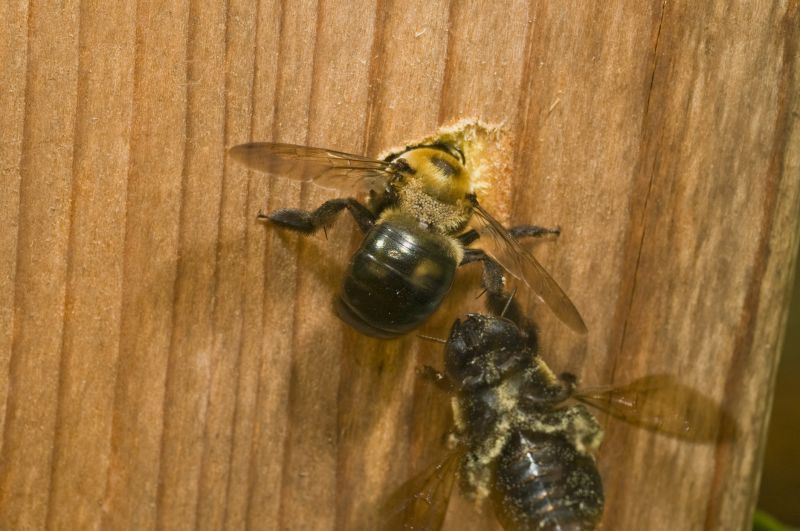
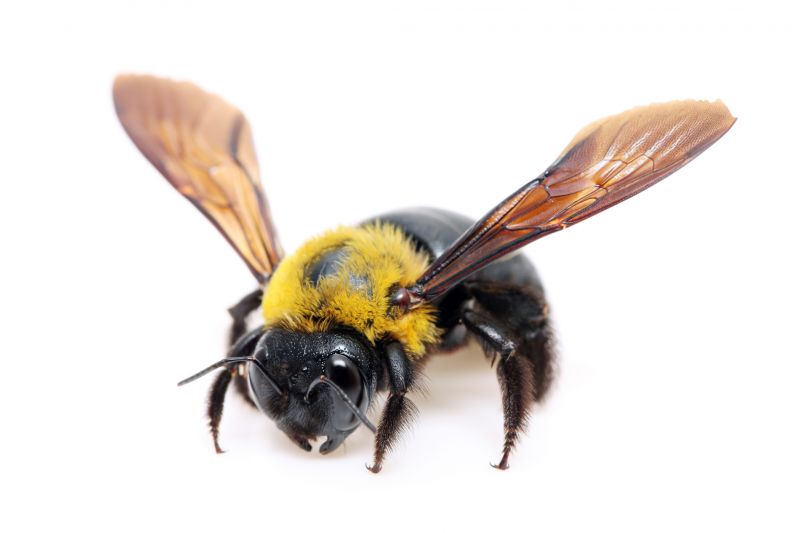
Carpenter bee removal services focus on eliminating these large, wood-boring insects from residential and commercial properties. Carpenter bees are known for drilling holes into wood surfaces, including decks, siding, fences, and eaves, to create nesting tunnels. The removal process typically involves identifying active bee activity, carefully extracting the bees, and treating the affected areas to prevent future infestations. Professional service providers use targeted methods to ensure the bees are safely removed without causing unnecessary damage to the property.
These services help address problems related to structural damage and aesthetic concerns. Carpenter bees can weaken wooden structures over time by tunneling into the wood, which may lead to costly repairs if left untreated. Additionally, the presence of these bees can be a nuisance, especially if their activity results in visible holes or buzzing sounds around the property. Removing the bees and sealing entry points can help protect the integrity of the wood and restore the property's appearance, reducing ongoing pest issues and potential damage.
Properties that often use carpenter bee removal services include homes with wooden siding, decks, fences, and outdoor furniture. Structures with untreated or weathered wood are particularly vulnerable to infestation. Commercial buildings with wooden facades or outdoor fixtures may also require professional removal when carpenter bees become active. These services are suitable for any property owner noticing signs of bee activity, such as small holes in wood, sawdust accumulation, or the buzzing of large bees around the property.
Homeowners should consider professional carpenter bee removal services when they observe new holes or tunnels in wooden surfaces, or if they notice bees hovering around their property. Early intervention can prevent extensive damage and reduce the risk of the bees establishing a larger colony. Local contractors specializing in pest removal can assess the situation, safely remove the bees, and implement measures to protect the property from future invasions. Contacting a professional can ensure the problem is handled effectively and safely, helping to maintain the property's structural integrity and visual appeal.
The overview below groups typical Carpenter Bee Removal Service projects into broad ranges so you can see how smaller, mid-sized, and larger jobs often compare in your area.
In many markets, a large share of routine jobs stays in the lower and middle ranges, while only a smaller percentage of projects moves into the highest bands when the work is more complex or site conditions are harder than average.
Smaller Repairs - Typical costs for routine carpenter bee removal from small areas or individual structures usually range from $250 to $600. Many projects fall within this middle range, covering common infestations and minor repairs.
Moderate Treatments - Larger or more widespread infestations, such as multiple affected areas or partial repairs, often cost between $600 and $1,200. These projects are common but less frequent than smaller jobs.
Extensive Extermination - For complex or heavily infested structures requiring extensive treatment, costs can range from $1,200 to $3,000. Fewer projects reach these higher tiers, typically involving significant damage or large properties.
Full Replacement or Structural Repairs - When structural damage necessitates complete replacement or major repairs, costs can exceed $5,000. These are less common and usually involve comprehensive work by local contractors.
Actual totals will depend on details like access to the work area, the scope of the project, and the materials selected, so use these as general starting points rather than exact figures.
Woodpecker Damage Repair - professionals who repair and restore wood structures damaged by woodpeckers often use similar tools and planning as those needed for removing carpenter bees from wooden surfaces.
Exterior Pest Exclusion - service providers specializing in sealing and protecting building exteriors from pests have skills relevant to preventing carpenter bee infestations.
Bat and Bird Control - contractors experienced in humane removal and exclusion of bats and birds work with similar entry point identification and habitat management techniques as carpenter bee removal.
Wood Surface Restoration - specialists who restore and treat wood surfaces after pest damage utilize comparable planning and tools used in repairing bee-affected wood.
Termite Damage Repair - pest control experts addressing termite damage often handle wood repair projects involving similar structural assessments and wood treatment methods.
Exterior Inspection Services - providers who perform detailed building inspections for pest activity or damage apply comparable skills when assessing for carpenter bee issues.
When comparing service providers for Carpenter Bee Removal, it’s important to consider their experience with similar projects. Homeowners should look for local contractors who have a proven track record of handling bee removal in residential settings, especially those who are familiar with the specific challenges that come with dealing with carpenter bees. An experienced professional will understand the best practices for safely and effectively removing these pests while minimizing disruption to the home environment. Gathering information about their past work can help ensure that the selected contractor has the necessary skills to address the job properly.
Clear, written expectations are also a key factor in choosing a reliable service provider. Homeowners should seek out local contractors who provide detailed descriptions of their services, including the scope of work, methods used, and any follow-up procedures. Having these expectations documented helps prevent misunderstandings and ensures everyone is aligned on what the project will involve. It’s beneficial to ask for a written outline or a scope of work before committing, as this fosters transparency and provides a reference point throughout the project.
Reputable references and good communication are essential when evaluating local pros for carpenter bee removal. Homeowners can ask for references from previous clients or look for reviews that highlight the contractor’s professionalism, responsiveness, and quality of work. Effective communication during the initial inquiry process can also reveal how well the service provider listens to concerns and explains their approach. Connecting with a contractor who demonstrates clear, consistent communication and provides trustworthy references can help ensure the project proceeds smoothly and meets expectations.
Property owners use Carpenter Bee Removal Service services for practical projects around their homes and businesses. This guide focuses on everyday jobs and straightforward project options.
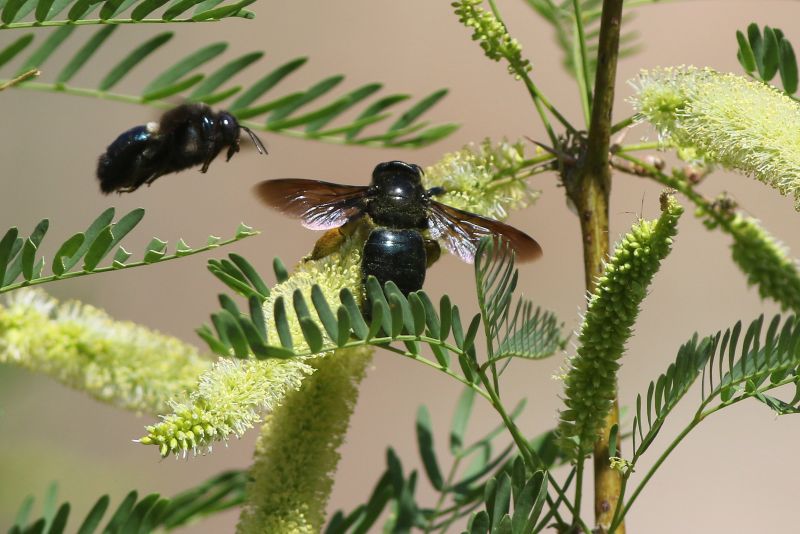
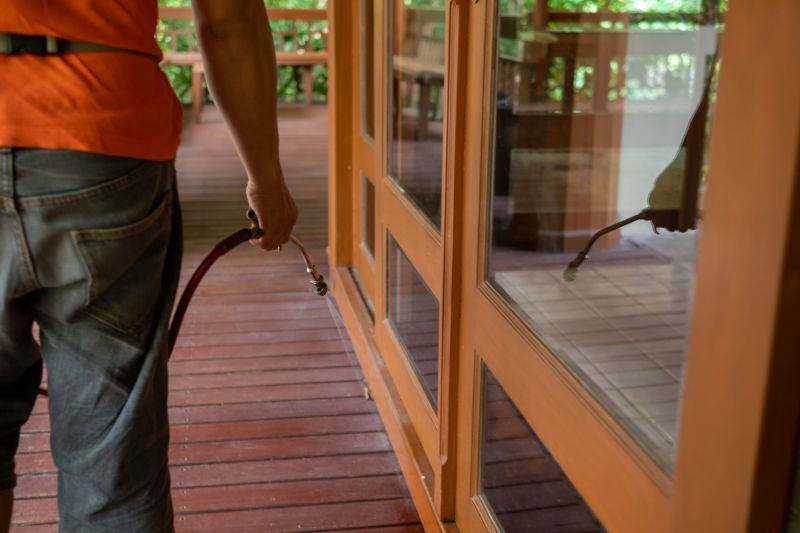
Carpenter bee activity can become a common concern for property owners who notice small holes or sawdust near wooden structures such as decks, fences, or siding. These insects are known for burrowing into wood, which can lead to structural damage over time if left unaddressed. Homeowners and business owners in the area often seek out local contractors who specialize in bee removal and wood repair to protect their properties and prevent further deterioration.
In many cases, property owners look for professional services when they see signs of carpenter bee infestation during routine maintenance or after noticing a decline in the appearance of their outdoor wood features. Local service providers can offer targeted removal solutions and help with repairs to restore the integrity of affected structures. Connecting with experienced contractors ensures that the issue is handled effectively, minimizing the risk of ongoing damage.
What are carpenter bees, and why do they need removal? Carpenter bees are large, black bees that bore into wood, causing structural damage. Removal services help prevent further damage to property and eliminate the pests.
How do local contractors handle carpenter bee removal? Professionals typically use targeted methods to remove carpenter bees and treat the affected wood to prevent future infestations.
Are there signs that indicate a carpenter bee infestation? Signs include small holes in wood surfaces, sawdust piles near entry points, and the presence of buzzing or active bees around wooden structures.
What types of structures are commonly affected by carpenter bees? Wooden decks, fences, siding, and eaves are among the most common areas where carpenter bee activity is observed.
How can property owners prevent carpenter bee problems? Regular inspections, sealing potential entry points, and applying protective finishes can help reduce the likelihood of infestations.
Preventing Bee Infestations - property owners can have local contractors assess and address potential bee entry points to avoid future infestations.
Removing Bees from Structures - homeowners experiencing bees nesting in eaves, walls, or attics can find local pros equipped to safely remove the insects.
Protecting Garden and Landscaping - garden enthusiasts can seek services to manage bee activity around plants and flowering areas, ensuring safety for people and pets.
Restoring Property Aesthetics - property owners can hire local contractors to remove bee-related debris and repair any damage caused by nesting activity.
If you are thinking about Carpenter Bee Removal Service for a property, this guide is meant to help you understand the work, the typical project types, and how different options might fit your plans.
When you are ready, you can use the quote form on this page to share a few details about your project. From there, local pros can review the basics and respond with options that match what you have in mind.